
supporting health amid genocide
Across Palestine, Emergency Project works to support communities facing profound and ongoing barriers to healthcare—where conflict, restrictions, and limited infrastructure continue to challenge even the most basic access to medical services. Despite these obstacles, our teams remain committed to advancing care through a combination of training, resource deployment, and evolving clinical partnerships in both the West Bank and Gaza.
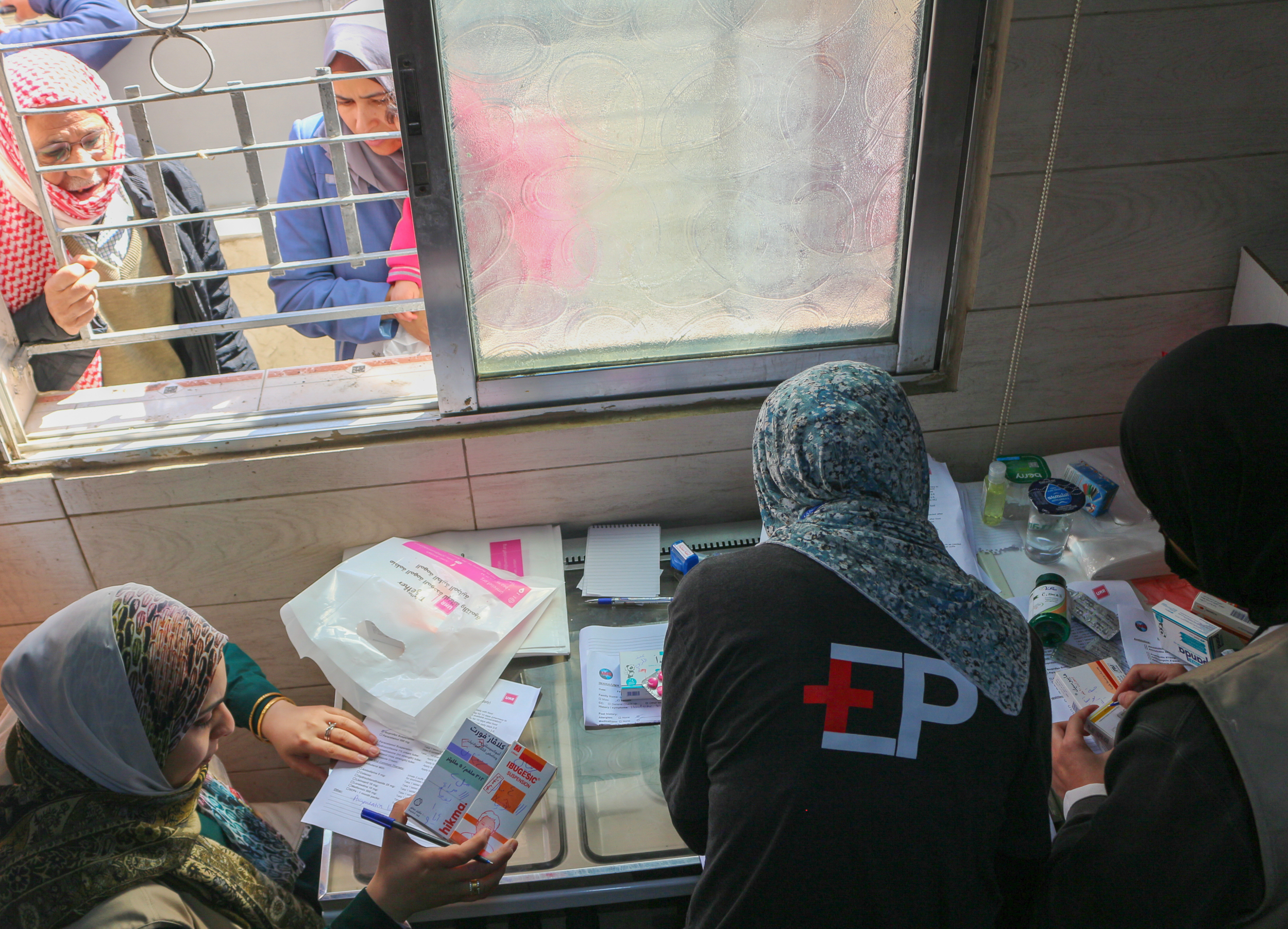
In Gaza, where access remains severely constrained, our efforts have focused on supporting care through partnerships and resource delivery while laying the groundwork for future clinical engagement. Emergency Project has assisted in the purchase and delivery of seven ultrasound devices to providers in Gaza, expanding diagnostic capabilities in an environment with extreme resource limitations.

In the West Bank, our efforts have focused on building clinical capacity and strengthening frontline care. In partnership with HEAL Palestine, we conducted hands-on ultrasound training in the city of Nablus, working with residents across emergency medicine, radiology, surgery, and anesthesiology. Two Butterfly ultrasound devices were donated, with training delivered in both academic and clinical settings.
We are also in the early stages of expanding this work to Abu Dis at the Al Makassed Emergency Center, where providers manage overwhelming volumes of trauma and critical illness in a five-bed emergency department, with high-risk patients—particularly maternity cases—often facing dangerous delays in transfer due to surrounding checkpoints.
In collaboration with Islamic Medical Association of North America (IMANA) and other partners, we have also supported the delivery of critical supplies, including infant formula during conditions of severe food insecurity. We are now working toward establishing clinical involvement in Khan Younis, with dedicated EP volunteers already contributing on the ground. Together, these efforts reflect a broader commitment: to stand alongside Palestinian communities, expand access to life-saving care, and support providers working under some of the most challenging conditions in the world.